From Policy to Impact: Operational Mechanisms for Sustainable Well-being
STI provides the knowledge, technologies, data, digital solutions, and innovative approaches needed to accelerate progress in areas such as energy, health, agriculture, water, education, and climate resilience. Implementation needs pillars instruments and mechanisms.

Strategic Planning and Policy Alignment
National strategies, roadmaps, and public policies aligned with SDGs and long-term development priorities.

Monitoring, Evaluation and Learning (MEL)
Indicators, KPIs, impact , data systems, and evidence-based evaluation to measure progress and improve decision-making.
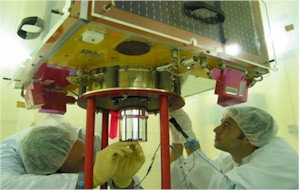
Capacity Building and Human Capital Development
Education, training, skills development, mobility programmes, and institutional strengthening.
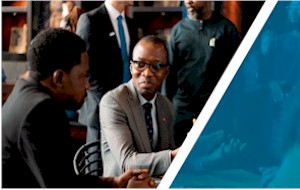
Partnership and Coordination Mechanisms
Multi-stakeholder platforms, international cooperation, networking, twinning, public-private partnerships, and regional collaboration frameworks.
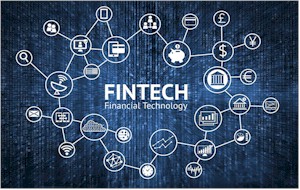
Financing Mechanisms and fintecs
Public investment, private sector engagement, international funding, blended finance, and innovation funds to support implementation.
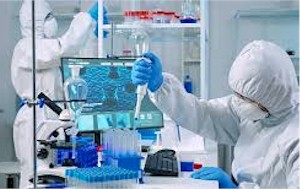
Research infrastructures and mobility
laboratories, scientific equipment, data platforms, and digital networks that enable advanced research, innovation, and technological development.
Trans-Saharan Fiber Optic Backbone #Algeria-#Nigeria: towards a more connected #Africa
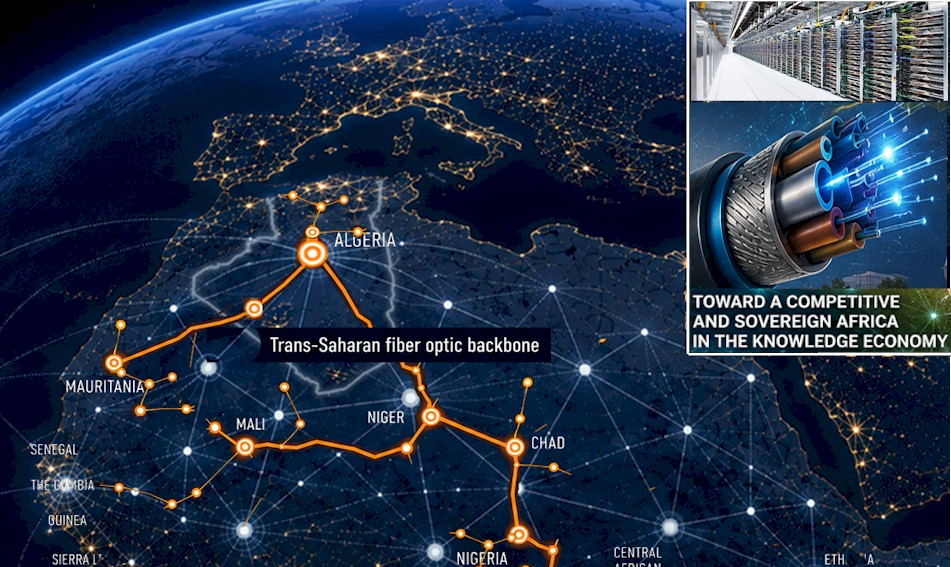
Digital sovereignty is a major challenge for African states. It is not limited to mastering technologies; it involves the ability to control strategic infrastructure, guarantee data security, and develop local digital services.
The Trans-Saharan Fiber Optic Backbone (Algeria, Niger, Chad, Mali, Mauritania, Nigeria) is fully aligned with this dynamic. It represents a strategic infrastructure to prepare the continent for the challenges of artificial intelligence and digital transformation. By connecting North Africa to the Sahel and West African countries, this backbone helps lay the foundations for a more integrated, resilient, and digitally sovereign Africa.
The Trans-Saharan Fiber Optic Backbone (TSB), part of the NEPAD initiative, aims to strengthen regional integration, bridging the digital divide, and fostering the emergence of a knowledge-based African economy
Algeria has completed the installation of 2,548 km of fiber optic cable, linking Algiers to the Algerian-Nigerien border. A complementary link has also been deployed to the Tindouf province to prepare for interconnection with Mauritania.
Niger has practically finalized its national segment with the installation of over 1,000 km of fiber optic cable out of the approximately 1,031 km planned. Beyond the transmission network, the project also includes technical centers, the National Data Center in Niamey, and several e-government platforms designed to leverage this new digital capacity.
In Chad, work is progressing significantly. Approximately 1,990 km of fiber optic cable, out of a total planned length of 2,493 km, is now completed or in its final stages of completion.
In NIGERIA, efforts are primarily focused on completing the link between Kano and the Niger border to ensure the continuity of the Trans-Saharan Backbone and its integration into the vast national telecommunications network.
In Mauritania: Detailed field studies have been finalized on a target network estimated at over 4,300 km spread across 25 sections, with the aim of covering nearly 79% of the country’s departments. Several segments are being completed while awaiting connection to the main backbone.
In Mali, feasibility studies and preparatory work for the second phase are underway.
The Trans-Saharan Backbone forms the foundation of a new pan-African digital architecture. This infrastructure paves the way for the creation of an African data space, based on the principles of interoperability, digital sovereignty, cybersecurity, and trust. It will bring together computing power, cloud platforms, data centers, research laboratories, and innovation ecosystems, while promoting the secure flow of scientific, industrial, and administrative data.
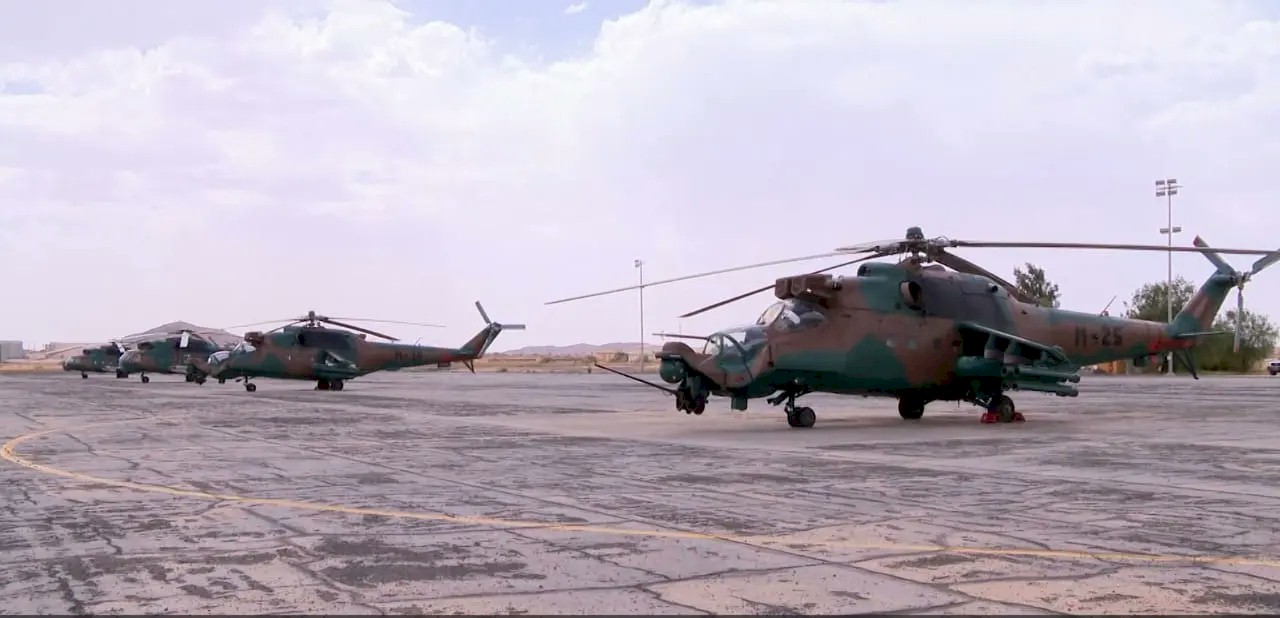
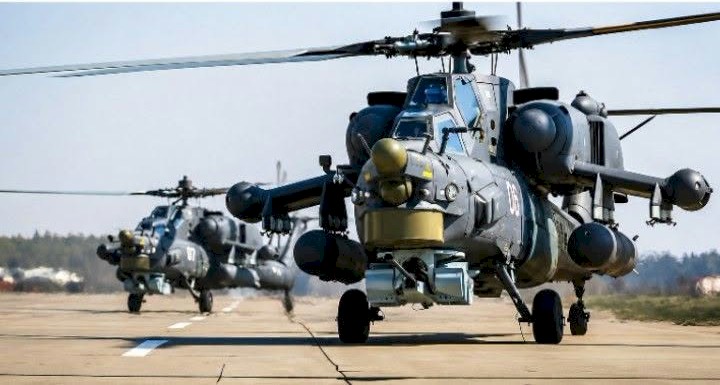
Algeria–Niger: Standing Together for Security and Stability
Algeria has donated four helicopters to Niger—two MI-24Vs and two MI-171s—along with the equipment, spare parts, and logistical resources necessary for their operation and maintenance. Transported from In Guezzam to Niamey on 10th August 2026, this assistance aims to help strengthen Niger’s capabilities in addressing the security challenges facing the Sahel region. Beyond its material aspect, this initiative represents a powerful gesture of friendship, brotherhood, and solidarity between two neighboring countries.
It reflects Algeria’s commitment to providing concrete support to Niger and to strengthening cooperation based on mutual assistance, the exchange of expertise, and mutual respect.
The expressions of gratitude extended by Niger’s senior officials to Algeria, its people, and the President of the Republic, Abdelmadjid Tebboune, attest to the importance attached to this assistance.
This initiative thus exemplifies concrete African solidarity: the security and stability of Niger, like those of every country in the Sahel, contribute to the security, stability, and prosperity of our entire shared regional space.