
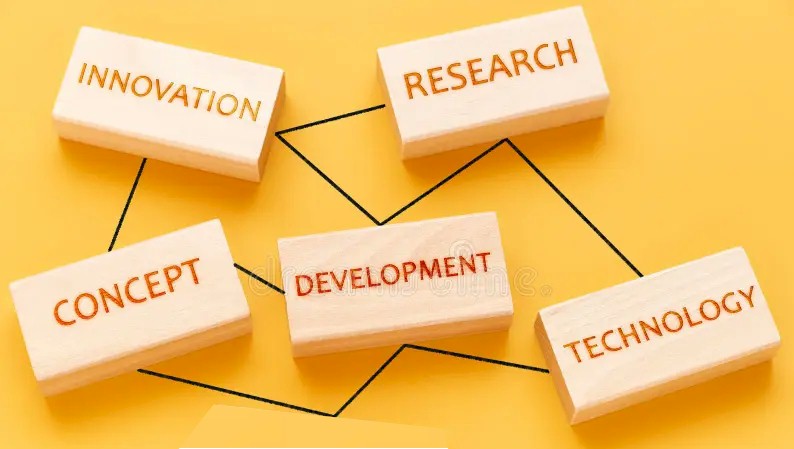
Concepts used in research & Innovation public policies
Introduction: To ensure the success of reseearch & Development meetings, it is important to establish a common understanding of used terms and to adopt a consensus-based working method. To this end, we propose the following glossary, which is open to further additions. We have drawn primarily on universally accepted references (the Oslo Manual, the Frascati Manual, UNESCO, WIPO), as well as definitions provided by the authors who first developed these concepts. The base version is in English, translated into Arabic and French. In the following section, we provide a brief overview of the roles of the various stakeholders in the SNRI.
مقدمة: لضمان نجاح ورشة العمل هذه، من المهم التوصل إلى فهم مشترك للمصطلحات الشائعة واعتماد منهج عمل توافقي. ولتحقيق هذا الهدف، نقترح المسرد التالي، الذي يظل مفتوحاً للإثراء. وقد استندنا بشكل أساسي إلى المراجع المستخدمة عالميًا (دليل أوسلو، ودليل فراسكاتي، واليونسكو، والويبو)، بالإضافة إلى التعريفات التي قدمها المؤلفون الذين ابتكروا هذه المفاهيم. النسخة الأساسية باللغة الإنجليزية، وقد تُرجمت إلى اللغتين العربية والفرنسية. وفي الفقرة التالية، نقدم لمحة موجزة عن أدوار الجهات الفاعلة في الشبكة الوطنية للبحوث والابتكار
Introduction : Pour assurer une bonne réussite des ateliers portant sur la R&D, il est important de garantir une compréhension commune des termes courants et d’adopter une méthode de travail consensuelle. Dans cet objectif nous proposons le glossaire suivant, qui reste ouvert à enrichissement. Nous nous sommes basés essentiellement sur des références universellement utilisé (manuel d’OSLO, manuel de Frascati, Unesco, WIPO, mais aussi des définitions données par les auteurs qui ont été à l’origine des concepts. La version de base est en anglais, traduite en arabe et en français. Dans un second paragraphe, nous donnons un bref aperçu sur les rôles des acteurs du SNRI.
Références
Definition of main concepts in R&D&I
1.2.1) السياسات العامة / Politique publique / Public policy
I.2.2) السياسة القطاعية / Politique sectorielle / Sectoral Policy /
I.2.3) الاستراتيجية / Stratégie / Strategy /
I.2.4) نظام الابتكار الوطني / Système National d’Innovation / National Innovation System
I.2.5) البحث الأساسي والبحث التطبيقي والتطوير التجريبي، / Recherche fondamentale, appliquée et développement expérimental / Basic, Applied Research and Experimental Development /
I.2.6) البحث التعاوني /Recherche partenariale et collaborative / Collaborative and Partnership Research
1.2.7) الابتكار / Innovation / Innovation
I.2.8) الابتكار المفتوح / Open Innovation / Open Innovation
I.2.9) مستويات جاهزية التكنولوجيا / Processus d’innovation et TRL / Innovation Process
I.2.10) كاليفورنيا وادي الموت /Vallée de la Mort ِCalifornie /Valley of Death California
I.2.11) الملكية الفكرية /Propriété Intellectuelle (PI) / Intellectual Property (IP)
I.2.12) براءة الاختراع /Brevet / Patent
I.2.13) الترخيص/ Licence / Licensing
I.2.14) تسويق الأبحاث / Valorisation de la recherche / Research Commercialization
I.2.15) الشهادات والتوحيد القياسي والموافقة / Certification, Normalisation et Homologation / Certification, Standardization and Approval
1.2.16) نظام البيئة البحثية والابتكارية / Écosystème de Recherche et d’Innovation / Research and Innovation Ecosystem
I.2.17) حاضنة الأعمال /Incubateur / Business Incubator
I.2.18) مسرّع الشركات الناشئة /Accélérateur / Startup Accelerator
I.2.19) مؤشر الابتكار العالمي / Global Innovation Index (GII)
I.2.20)نظام البحث والابتكار في الجزائر /Écosystème R&I en Algérie / R&I Ecosystem in Algeria
I.2.21) رأس المال الاستثماري /Capital-Risque / Venture Capital
I.2.22) التمويل الجماعي / Crowdfunding / Crowdfunding
I.2.23) الائتمان الضريبي للبحث والتطوير Crédit d’Impôt Recherche (CIR) / R&D Tax Credit
I.2.24) تقييم السياسات العامة للبحث العلمي / Évaluation des Politiques Publiques de Recherche / Evaluation of Research Public Policies
I.2.25) القانون/ La Loi / a law
I.2.26) المرسوم / decret / a decree
Références
I.2.1) السياسة العامة/ Politique publique / Public Policy /
السياسة العامة هي مجموعة متماسكة من القرارات والإجراءات والأدوات التي تحشدها سلطة عامة شرعية لمعالجة مشكلة جماعية أو توجيه تحول مجتمعي. وهي تستند إلى تشخيص وأهداف قابلة للقياس وأدوات سياسية ونظام للرصد والتقييم.
Une politique publique est un ensemble cohérent de décisions, d’actions et d’instruments mobilisés par une autorité publique légitime afin de répondre à un problème collectif ou d’orienter une transformation sociétale. Elle repose sur un diagnostic, des objectifs mesurables, des instruments d’intervention et un dispositif de suivi-évaluation. [1],[2]
A public policy is a coherent set of decisions, actions and instruments mobilized by a legitimate public authority to address a collective problem or guide a societal transformation. It is based on a diagnosis, measurable objectives, policy instruments, and a monitoring and evaluation system.

I.2.2) السياسة القطاعية / Politique sectorielle / Sectoral Policy /
السياسة القطاعية هي التنفيذ العملي للسياسة العامة في قطاع معين. وهي تحدد الأولويات والأهداف والأدوات والآليات التنظيمية الخاصة بذلك القطاع.
Une politique sectorielle est la déclinaison opérationnelle des politiques publiques dans un domaine spécifique. Elle définit les priorités, objectifs, instruments et mécanismes de régulation propres à un secteur donné. [3],[4]
A sectoral policy is the operational implementation of public policy within a specific sector. It defines the priorities, objectives, instruments, and regulatory mechanisms specific to that sector.
I.2.3) الاستراتيجية / Stratégie / Strategy /
الاستراتيجية هي إطار عمل طويل الأمد لاتخاذ القرارات يستند إلى تحليل البيئة والموارد والقيود، ويهدف إلى توجيه المنظمة بشكل مستدام نحو تحقيق أهدافها الرئيسية.
La stratégie est un cadre de décision de long terme reposant sur l’analyse de l’environnement, des ressources et des contraintes, visant à orienter durablement l’action d’une organisation vers l’atteinte d’objectifs majeurs. [5],[6]
Strategy is a long-term decision framework based on the analysis of the environment, resources and constraints, aiming to sustainably guide an organization toward the achievement of major objectives.
I.2.4) نظام الابتكار الوطني / Système National d’Innovation (SNI) / National Innovation System
يشير نظام الابتكار الوطني إلى مجموعة المؤسسات والجهات الفاعلة والتفاعلات التي تساهم في إنتاج المعرفة ونشرها واستخدامها من أجل الابتكار في الاقتصاد الوطني.
Le SNI est l’ensemble des institutions, acteurs et interactions qui contribuent à la production, la diffusion et l’exploitation des connaissances utiles à l’innovation au sein d’une économie nationale. [7],[8]
The National Innovation System refers to the set of institutions, actors and interactions that contribute to the production, diffusion and use of knowledge for innovation within a national economy.
I.2.5) البحث الأساسي والبحث التطبيقي والتطوير التجريبي، / Recherche fondamentale, appliquée et développement expérimental / Basic, Applied Research and Experimental Development /
وفقاً لدليل فراسكاتي، يشمل البحث والتطوير البحث الأساسي والبحث التطبيقي والتطوير التجريبي، ويغطي كامل السلسلة المتصلة من المعرفة العلمية إلى الابتكار التكنولوجي.
Selon le Manuel de Frascati, la R&D comprend la recherche fondamentale, la recherche appliquée et le développement expérimental, couvrant l’ensemble du continuum entre connaissance scientifique et innovation technologique. [9] [10]
According to the Frascati Manual, R&D comprises basic research, applied research and experimental development, covering the entire continuum from scientific knowledge to technological innovation.
I.2.6) البحث التعاوني /Recherche partenariale et collaborative / Collaborative and Partnership Research
البحث التعاوني هو أسلوب لإنتاج المعرفة يعتمد على الإنتاج المشترك بين الجامعات والشركات والسلطات العامة.
La recherche partenariale est un mode de production de connaissances basé sur la co-production entre universités, entreprises et pouvoirs publics. [11] [12]
Collaborative research is a mode of knowledge production based on co-production between universities, firms and public authorities.
I.2.7) الابتكار / Innovation / Innovation
يشير مصطلح ”الابتكار“ إلى التنفيذ الناجح لفكرة جديدة تخلق قيمة اقتصادية أو اجتماعية، بما يتجاوز مجرد الاختراع.
L’innovation correspond à la mise en œuvre réussie d’une nouveauté qui crée de la valeur économique ou sociétale, au-delà de la seule invention. [13], [14]
Innovation refers to the successful implementation of a novelty that creates economic or societal value, beyond mere invention.
I.2.8) الابتكار المفتوح / Open Innovation / Open Innovation
الابتكار المفتوح هو نموذج تستخدم فيه المنظمات تدفقات المعرفة الداخلية والخارجية لتسريع الابتكار.
L’Open Innovation est un modèle selon lequel les organisations utilisent conjointement des flux de connaissance internes et externes pour accélérer l’innovation. [15], [16]
Open innovation is a model in which organizations use both internal and external knowledge flows to accelerate innovation.
I.2.9) مستويات جاهزية التكنولوجيا / Processus d’innovation et TRL / Innovation Process
مستويات جاهزية التكنولوجيا (TRLs) هي مقياس موحد من 9 مستويات يستخدم لتقييم النضج التكنولوجي للابتكار من البحث الأساسي إلى التسويق التجاري.
Les TRL constituent une échelle normalisée à 9 niveaux permettant d’évaluer la maturité technologique d’une innovation, de la recherche initiale à la commercialisation. [17], [18]
Technology Readiness Levels (TRLs) are a standardized 9-level scale used to assess the technological maturity of an innovation from basic research to commercialization.
I.2.10) كاليفورنيا وادي الموت /Vallée de la Mort ِCalifornie /Valley of Death California
وادي الموت هو وادي في صحراء موهافي (الولايات المتحدة) يقع في كاليفورنيا، ويشير إلى العجز الهيكلي في تمويل ودعم الأبحاث بين إثبات صحة المفهوم العلمي والجدوى التجارية. [19]، [20]
La vallée de la Mort est une vallée du désert des Mojaves (États-Unis) située en Californie, il désigne le déficit structurel de financement et d’accompagnement de la recherche entre la preuve de concept scientifique et la viabilité commerciale. [19], [20]
Death Valley is a valley in the Mojave Desert (United States) located in California. It refers to the structural deficit in research funding and support between scientific proof of concept and commercial viability. [19], [20]
I.2.11) الملكية الفكرية /Propriété Intellectuelle (PI) / Intellectual Property (IP)
تشير الملكية الفكرية إلى مجموعة الحقوق الحصرية الممنوحة للمبدعين على إبداعاتهم الفكرية. وهي أداة استراتيجية لتقييم البحوث اقتصادياً وتحفيز الاستثمار في البحث والتطوير. وتشمل الملكية الصناعية (براءات الاختراع والعلامات التجارية والتصاميم) وحقوق النشر.
La propriété intellectuelle regroupe l’ensemble des droits exclusifs accordés aux créateurs sur leurs créations de l’esprit. Elle constitue un levier stratégique de valorisation économique de la recherche et d’incitation à l’investissement en R&D. Elle comprend la propriété industrielle (brevets, marques, dessins et modèles) et la propriété littéraire et artistique (droit d’auteur). [21], [22]
Intellectual property refers to the set of exclusive rights granted to creators over their intellectual creations. It is a strategic lever for the economic valorization of research and incentives for R&D investment. It includes industrial property (patents, trademarks, designs) and copyright.
I.2.12) براءة الاختراع /Brevet / Patent
براءة الاختراع هي حق قانوني يحمي الاختراع الجديد الذي ينطوي على خطوة ابتكارية وقابل للتطبيق الصناعي. وهي تمنح حقًا حصريًا مؤقتًا للاستغلال، عادةً لمدة 20 عامًا.
Le brevet est un titre légal de protection accordé à une invention nouvelle, impliquant une activité inventive et susceptible d’application industrielle. Il confère un monopole d’exploitation limité dans le temps (généralement 20 ans), favorisant la rentabilité de l’investissement en R&D. [23], [24]
A patent is a legal title protecting a new invention involving an inventive step and capable of industrial application. It grants a temporary exclusive right of exploitation, usually for 20 years.
I.2.13) الترخيص/ Licence / Licensing
الترخيص هو عقد يمنح بموجبه صاحب حق الملكية الفكرية طرفاً ثالثاً حق استغلال اختراع دون نقل ملكيته. وهو آلية أساسية لنقل التكنولوجيا.
La licence est un contrat par lequel le titulaire d’un droit de propriété intellectuelle autorise un tiers à exploiter une invention sans en transférer la propriété. Elle constitue un mécanisme clé de transfert technologique et de diffusion industrielle. [25], [26]
A license is a contract by which the holder of an intellectual property right authorizes a third party to exploit an invention without transferring ownership. It is a key mechanism for technology transfer.
I.2.14) تسويق الأبحاث / Valorisation de la recherche / Research Commercialization
يشير مصطلح ”تسويق الأبحاث“ إلى جميع العمليات التي تحول النتائج العلمية إلى ابتكارات قابلة للاستغلال اقتصاديًا أو اجتماعيًا من خلال نقل التكنولوجيا أو الشركات الناشئة أو الشراكات الصناعية.
La valorisation de la recherche désigne l’ensemble des processus visant à transformer les résultats scientifiques en innovations exploitées économiquement ou socialement, à travers le transfert de technologie, la création de start-ups ou les partenariats industriels. [27], [28]
Research commercialization refers to all processes that transform scientific results into economically or socially exploited innovations through technology transfer, start-ups, or industrial partnerships.
I.2.15) الشهادات والتوحيد القياسي والموافقة / Certification, Normalisation et Homologation / Certification, Standardization and Approval
تشكل الشهادات والتوحيد القياسي والموافقة سلسلة تنظيمية للوصول إلى السوق للمنتجات القائمة على الأبحاث. وهي تضمن الامتثال والسلامة والجودة وقابلية التشغيل البيني.
La certification, la normalisation et l’homologation constituent la chaîne réglementaire d’accès au marché des produits issus de la recherche. Elles garantissent la conformité, la sécurité, la qualité et l’interopérabilité des innovations. [29], [30]
Certification, standardization and approval form the regulatory chain for market access of research-based products. They ensure compliance, safety, quality and interoperability.
I.2.16) نظام البيئة البحثية والابتكارية / Écosystème de Recherche et d’Innovation / Research and Innovation Ecosystem
نظام البيئة البحثية والابتكارية هو شبكة ديناميكية من الفاعلين والمؤسسات والسياسات والتمويل التي تتفاعل لتحويل المعرفة إلى قيمة اقتصادية واجتماعية.]
L’écosystème de R&I est un réseau dynamique d’acteurs, d’institutions, de politiques et de financements interagissant pour transformer la connaissance en valeur économique et sociétale. [31], [32]
A research and innovation ecosystem is a dynamic network of actors, institutions, policies and funding interacting to transform knowledge into economic and societal value.
I.2.17) حاضنة الأعمال /Incubateur / Business Incubator
حاضنة الأعمال هي هيكل دعم في المراحل المبكرة يساعد أصحاب المشاريع المبتكرة على تنمية أفكارهم، وهيكلة نموذج أعمالهم، والاستعداد لدخول السوق.
Un incubateur est une structure d’accompagnement en phase amont qui soutient les porteurs de projets innovants dans la maturation de l’idée, la structuration du modèle économique et la préparation à l’entrée sur le marché. [33], [34]
A business incubator is an early-stage support structure that helps innovative project holders mature their ideas, structure their business model and prepare for market entry.
I.2.18) مسرّع الشركات الناشئة /Accélérateur / Startup Accelerator
مسرّع الشركات الناشئة هو برنامج دعم مكثف قصير الأجل مصمم للشركات الناشئة الناضجة لتسريع نموها ووصولها إلى الأسواق وجمع الأموال.
Un accélérateur est un programme de courte durée à forte intensité d’accompagnement destiné aux start-ups matures afin d’accélérer leur croissance, leur accès aux marchés et leur levée de fonds. [35], [36]
A startup accelerator is a short-term, intensive support program designed for mature start-ups to accelerate growth, market access and fundraising.
I.2.19) مؤشر الابتكار العالمي / Global Innovation Index (GII)
مؤشر الابتكار العالمي هو مؤشر مركب عالمي يقيس قدرات ونتائج أنظمة الابتكار الوطنية عبر سبعة ركائز تميز المدخلات والمخرجات.
Le Global Innovation Index est un indicateur composite mondial mesurant les capacités et les résultats des systèmes nationaux d’innovation à travers sept piliers, distinguant les inputs et les outputs. [37], [38]
The Global Innovation Index is a global composite indicator measuring the capabilities and results of national innovation systems across seven pillars distinguishing inputs and outputs.
I.2.20)نظام البحث والابتكار في الجزائر /Écosystème R&I en Algérie / R&I Ecosystem in Algeria
يخضع نظام البحث والابتكار في الجزائر لعملية هيكلة تهدف إلى إنشاء نظام وطني للابتكار يركز على التأثير، مع إحراز تقدم ملحوظ في مجال ريادة الأعمال المبتكرة، ولكنه لا يزال يعاني من ضعف نقل التكنولوجيا واستثمارات القطاع الخاص في مجال البحث والتطوير.
L’écosystème algérien de recherche et d’innovation est en phase de structuration vers un SNI orienté vers l’impact économique, avec des progrès notables dans l’entrepreneuriat innovant, mais encore limité par la faiblesse du transfert technologique et de l’investissement privé en R&D. [39], [40]
Algeria’s research and innovation ecosystem is under structuring toward an impact-oriented national innovation system, with notable progress in innovative entrepreneurship but still constrained by weak technology transfer and private R&D investment.
I.2.21) رأس المال الاستثماري /Capital-Risque / Venture Capital
رأس المال الاستثماري هو تمويل أسهمي مقدم إلى شركات مبتكرة ذات إمكانات عالية ومخاطر عالية، ويلعب دوراً رئيسياً في تجاوز وادي الموت.
Le capital-risque est un mode de financement en fonds propres apporté à des entreprises innovantes à fort potentiel et à haut risque, jouant un rôle clé dans le franchissement de la Vallée de la Mort. [41], [42]
Venture capital is equity financing provided to high-potential, high-risk innovative firms, playing a key role in crossing the Valley of Death.
I.2.22) التمويل الجماعي / Crowdfunding / Crowdfunding
التمويل الجماعي هو آلية تمويل تشاركية تجمع الأموال من عدد كبير من المساهمين عبر منصات رقمية في شكل تبرعات أو قروض أو أسهم.
Le crowdfunding est un mécanisme de financement participatif permettant de collecter des fonds auprès d’un grand nombre de contributeurs via des plateformes numériques, sous forme de dons, prêts ou prises de participation. [43], [44]
Crowdfunding is a participatory financing mechanism that raises funds from a large number of contributors via digital platforms as donations, loans, or equity. [43], [44]
I.2.23) الائتمان الضريبي للبحث والتطوير Crédit d’Impôt Recherche (CIR) / R&D Tax Credit
الائتمان الضريبي للبحث والتطوير هو حافز مالي يسمح للشركات بخصم جزء من نفقاتها على البحث والتطوير من الضرائب من أجل تحفيز الاستثمار الخاص في الابتكار.
Le crédit d’impôt recherche est un instrument fiscal incitatif permettant aux entreprises de déduire une partie de leurs dépenses de R&D de leur impôt, afin de stimuler l’investissement privé dans l’innovation. [45], [46]
The R&D tax credit is a fiscal incentive allowing firms to deduct part of their R&D expenditures from taxes in order to stimulate private investment in innovation.
I.2.24) تقييم السياسات العامة للبحث العلمي / Évaluation des Politiques Publiques de Recherche / Evaluation of Research Public Policies
تقييم السياسات العامة للبحث العلمي هو عملية منهجية تهدف إلى تقييم مدى ملاءمة وفعالية وكفاءة وتأثير واستدامة التدخلات العامة في مجالات العلوم والتكنولوجيا والابتكار.
L’évaluation des politiques publiques de recherche est une démarche systématique visant à mesurer la pertinence, l’efficacité, l’efficience, l’impact et la durabilité des interventions publiques en science, technologie et innovation. [47], [48]
The evaluation of research public policies is a systematic process aimed at assessing the relevance, effectiveness, efficiency, impact and sustainability of public interventions in science, technology and innovation.
I.2.25) قانون/ La Loi / a law
القانون هو قاعدة قانونية عامة وملزمة، تعتمدها السلطة التشريعية وتهدف إلى تنظيم الحياة الاجتماعية. وهو يحدد المعايير القانونية التي تسري على الجميع – المواطنين والمؤسسات والسلطات العامة – ويضبط الحقوق والواجبات والمسؤوليات في الدولة.
وفقاً للدستور (المادة 138 وما يليها)، يتم اعتماد القانون من قبل البرلمان بغرفتيه، وهو يتدخل في المجالات المذكورة في المادة 139: الحقوق المدنية، والمالية، والبحث العلمي، والابتكار، والبيئة، والعدالة، إلخ.
A law is a general and binding rule of law adopted by the legislative branch and intended to organize society. It establishes legal standards that apply to everyone—citizens, institutions, and public authorities—and provides a framework for rights, obligations, and responsibilities within a state.
According to the Constitution (Article 138 et seq.), laws are adopted by Parliament, which is composed of the APN and the Council of the Nation. They cover the areas listed in Article 139: civil rights, finance, scientific research, innovation, the environment, justice, etc.
I.2.26) مرسوم / decret / a decree
المرسوم هو إجراء إداري تنظيمي أو فردي يتخذه السلطة التنفيذية، عادةً رئيس الجمهورية أو رئيس الوزراء، لتوضيح أو تنفيذ القوانين. وهو أحد الإجراءات ذات الطابع التنظيمي التي تكمل وتفصل تطبيق التشريعات.
يوقع رئيس الجمهورية على المراسيم الرئاسية.
ويوقع رئيس الوزراء المراسيم التنفيذية.
وتستخدم المراسيم بشكل أساسي لتنفيذ القوانين، وتنظيم الإدارة، وتحديد الشروط أو الإجراءات (المسابقات، والإعانات، والبحث والتطوير والابتكار، وما إلى ذلك).
Un décret est un acte administratif réglementaire ou individuel pris par le pouvoir exécutif, généralement le Président de la République ou le Premier ministre, pour préciser ou mettre en œuvre les lois. Il fait partie des actes à portée normative qui complètent et détaillent l’application législative.
Le Président de la République signe les décrets présidentiels.
Le Premier ministre signe les décrets exécutifs.
Les décrets servent principalement à mettre en œuvre les lois, organiser l’administration, fixer des conditions ou modalités (concours, subventions, RDI, innovation, etc.).
A decree is an administrative regulatory or individual act taken by the executive branch, usually the President of the Republic or the Prime Minister, to clarify or implement laws. It is one of the normative acts that supplement and detail the application of legislation.
The President of the Republic signs presidential decrees.
The Prime Minister signs executive decrees.
Decrees are mainly used to implement laws, organize the administration, and set conditions or terms (competitions, subsidies, RDI, innovation, etc.).
Références
[1] Knoepfel, P., Larrue, C., Varone, F., & Hill, M. (2015). Public policy analysis. Policy Press.
[2] OECD. (2020). Public policy evaluation. OECD Publishing.
[3] OECD. (2017). Sectoral policies for growth. OECD Publishing.
[4] World Bank. (2019). Public sector reform toolkit. World Bank.
[5] Porter, M. E. (1980). Competitive strategy. Free Press.
[6] Johnson, G., Scholes, K., & Whittington, R. (2020). Exploring strategy (12th ed.). Pearson.
[7] Lundvall, B.-Å. (1992). National systems of innovation. Anthem Press.
[8] OECD. (1997). National innovation systems. OECD Publishing.
[9] OECD. (2023). Frascati manual 2023. OECD Publishing.
[10] UNESCO. (2021). Guide to R&D statistics. UNESCO.
[11] Etzkowitz, H., & Leydesdorff, L. (2000). The dynamics of innovation: From national systems and “Mode 2” to a triple helix. Research Policy, 29(2).
[12] OECD. (2019). University–industry collaboration. OECD Publishing.
[13] OECD & Eurostat. (2018). Oslo manual. OECD Publishing.
[14] Schumpeter, J. (1934). The theory of economic development. Harvard University Press.
[15] Chesbrough, H. (2003). Open innovation. Harvard Business School Press.
[16] Gassmann, O., Enkel, E., & Chesbrough, H. (2010). The future of open innovation. R&D Management.
[17] NASA. (2016). Systems engineering handbook. NASA.
[18] European Commission. (2021). TRL definitions in Horizon Europe. EU.
[19] Markham, S. K., et al. (2010). The valley of death as context for innovation process. Research Policy, 39(2).
[20] OECD. (2019). Financing technology transfer. OECD Publishing.
[21] WIPO. (2022). Intellectual property handbook. WIPO.
[22] OECD. (2015). Enquiries into intellectual property’s economic impact. OECD Publishing.
[23] WIPO. (2023). Patent applicants’ guide. WIPO.
[24] European Patent Office. (2022). Patent guide. EPO.
[25] WIPO. (2020). Technology licensing guide. WIPO.
[26] OECD. (2019). University technology transfer. OECD Publishing.
[27] OECD. (2013). Commercializing public research. OECD Publishing.
[28] Etzkowitz, H. (2016). The entrepreneurial university. Routledge.
[29] ISO. (2022). International standards and conformity assessment. ISO.
[30] European Commission. (2020). CE marking framework. EU.
[31] World Economic Forum. (2019). Innovation ecosystems. WEF.
[32] OECD. (2020). Innovation ecosystems. OECD Publishing.
[33] European Commission. (2016). Business incubation best practices. EU.
[34] OECD. (2018). Business incubators and entrepreneurship. OECD Publishing.
[35] Cohen, S., & Hochberg, Y. (2014). Accelerating start-ups. SSRN.
[36] World Bank. (2019). Startup accelerators. World Bank.
[37] WIPO. (2024). Global innovation index 2024. WIPO.
[38] Cornell University, INSEAD & WIPO. (2024). The global innovation index.
[39] WIPO. (2025). Global innovation index 2025: Algeria profile.
[40] MESRS (2024). Rapport national sur la R&D en Algérie.
[41] OECD. (2020). Venture capital and innovation. OECD Publishing.
[42] EVCA. (2018). Venture capital handbook. EVCA.
[43] World Bank. (2014). Crowdfunding and development. World Bank.
[44] European Commission. (2017). Crowdfunding for innovation. EU.
[45] OECD. (2023). R&D tax incentives database. OECD Publishing.
[46] French Ministry of Economy. (2022). Guide du crédit d’impôt recherche.
[47] OECD. (2020). Evaluating innovation policies. OECD Publishing.
[48] European Commission. (2019). Better regulation and evaluation guidelines. EU.